Brushed Nickel vs. Stainless Steel: What’s the Difference?
Brushed nickel fixtures and stainless steel appliances both have a warm, silver-tone metallic finish that can look very similar in photographs. But they’re different materials with different manufacturing processes, different applications, and different considerations for your kitchen or bathroom. Understanding the difference prevents mismatched expectations.
What Is Brushed Nickel?
Brushed nickel is a plating finish applied over a brass or zinc alloy base. The nickel layer is applied through electroplating and then brushed to create the textured, satin appearance. It’s a finish — not a solid material — and the quality of the plating and the base material underneath affect durability.
What Is Stainless Steel?
Stainless steel is an alloy — primarily iron and chromium — that is inherently corrosion-resistant. Stainless steel sinks and appliances are solid stainless, not plated. The finish is achieved by brushing or polishing the actual steel surface rather than applying a coating over another metal.
Do They Match?
Here’s the nuance: brushed nickel and stainless steel are close in appearance but not identical. Stainless steel often has a slightly cooler, grayer tone; brushed nickel often reads slightly warmer. In a kitchen with stainless appliances and a brushed nickel faucet, the difference may or may not be noticeable depending on the specific products. Seeing them side by side in a showroom before committing is the reliable way to know.
In the Kitchen
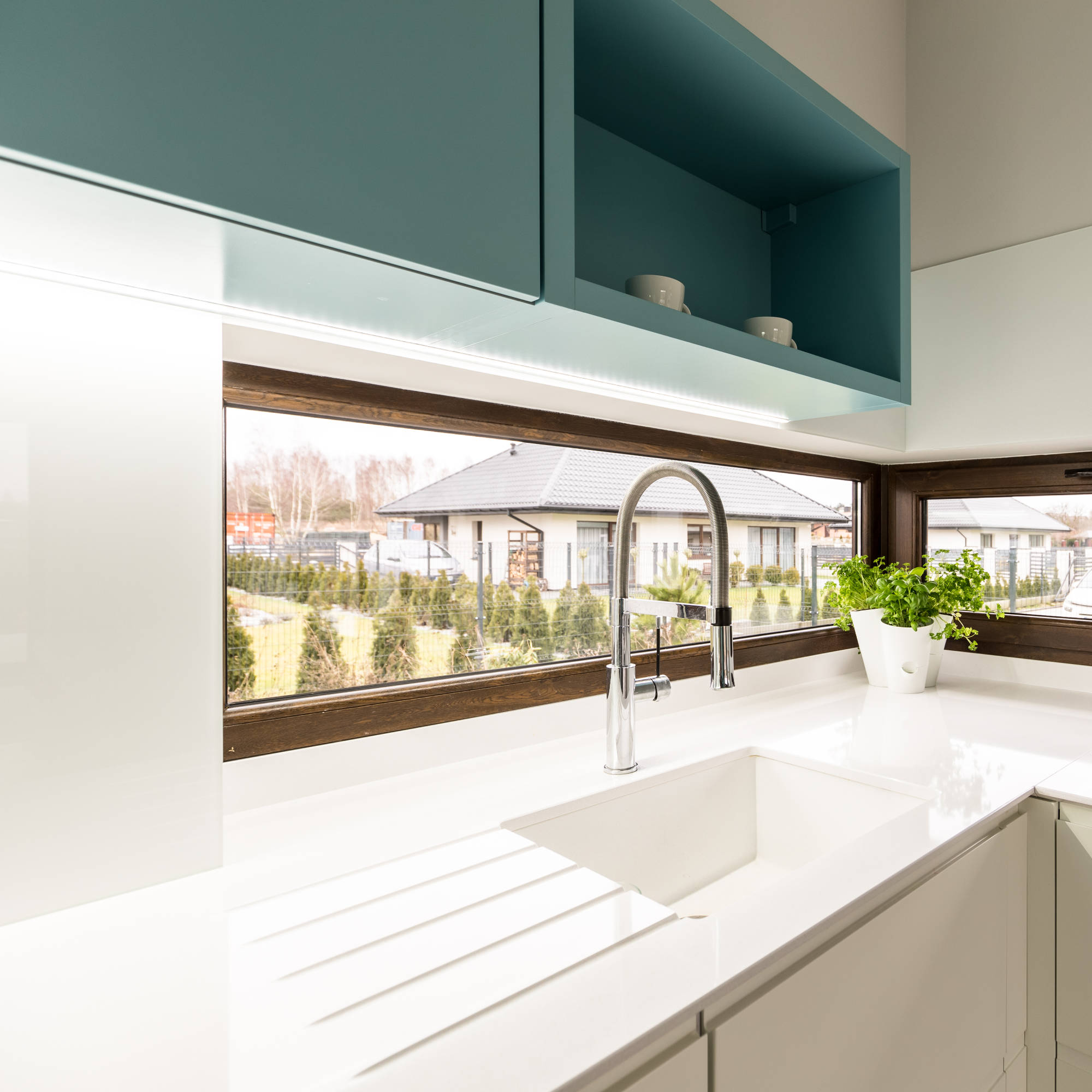
For a kitchen faucet next to a stainless sink and stainless appliances, a stainless steel or chrome faucet often creates a more consistent look. Brushed nickel works when the two tones align well — which varies by product.
Compare finishes in person at Vanity Mart’s Waterloo showroom. We’re at 1-90 Frobisher Drive. Call 519-886-3240.
Kim Savauge
Testimonials
“Lorem ipsum dolor sit amet, consectetur adipiscing elit. Ut elit tellus, luctus nec ullamcorper mattis, pulvinar dapibus leo”
Martin LukeCEO, Colibri
“Lorem ipsum dolor sit amet, consectetur adipiscing elit. Ut elit tellus, luctus nec ullamcorper mattis, pulvinar dapibus leo”
Luther SimatupangManager, Sparrow
“Lorem ipsum dolor sit amet, consectetur adipiscing elit. Ut elit tellus, luctus nec ullamcorper mattis, pulvinar dapibus leo”